
Educational Insights into Iberian Botanicals
Preserving the ancestral knowledge of the
Iberian Peninsula's natural flora.
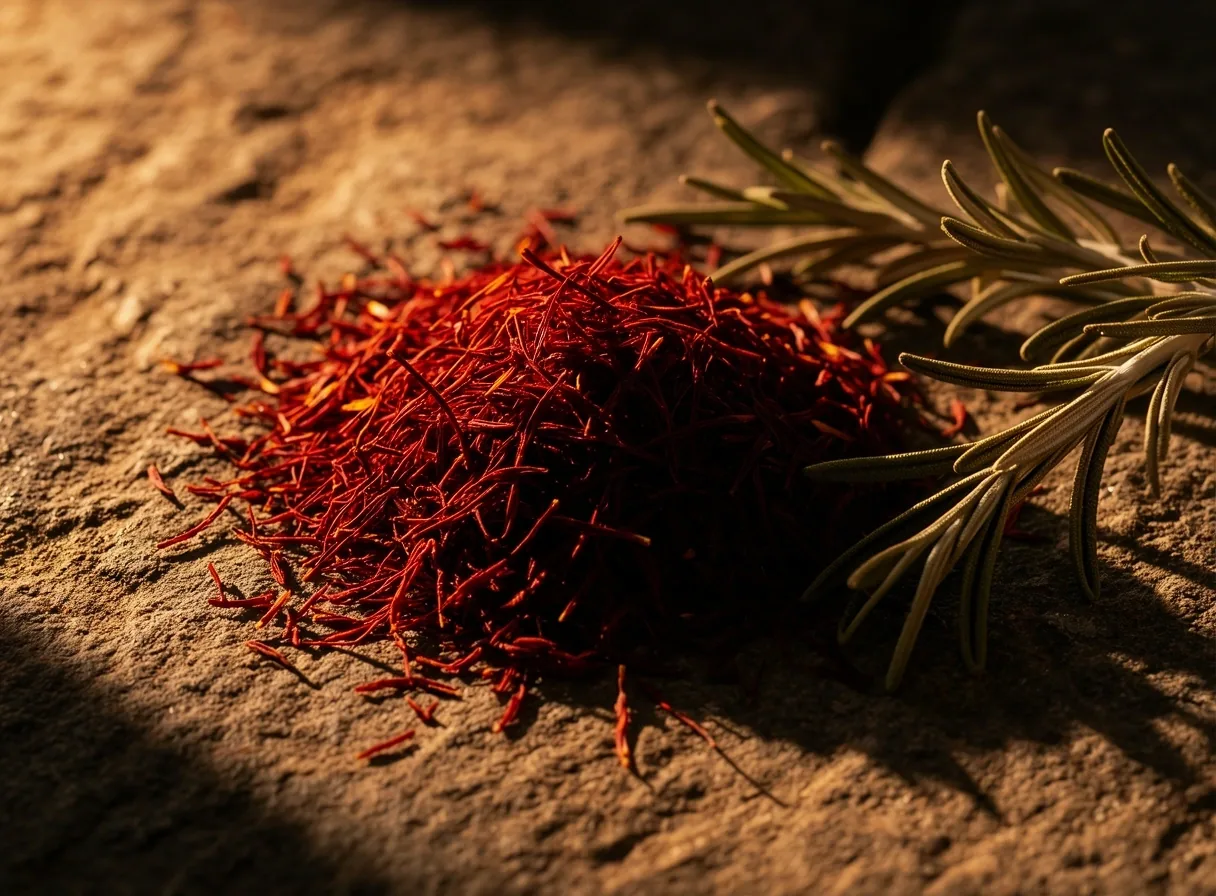
"The flora of the Iberian Peninsula has provided men with natural resources for energy and balance since ancient times."
This educational resource details specific plants and natural herbs that are staples of Mediterranean folk recipes. We focus on their historical use, cultural significance, and their enduring role in a traditional masculine lifestyle.
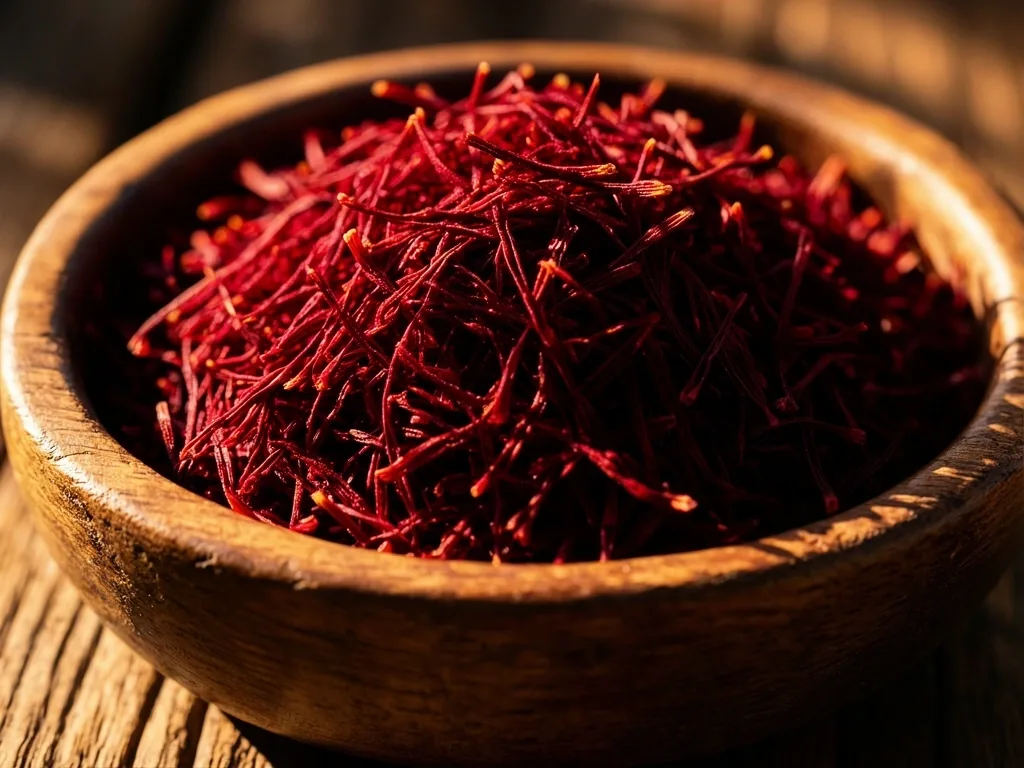
Saffron: The Fields' Gold
Grown extensively in the high plains of La Mancha, saffron is far more than a culinary luxury. In traditional folk methods, it was brewed into infusions to support a balanced mood and general masculine vitality.
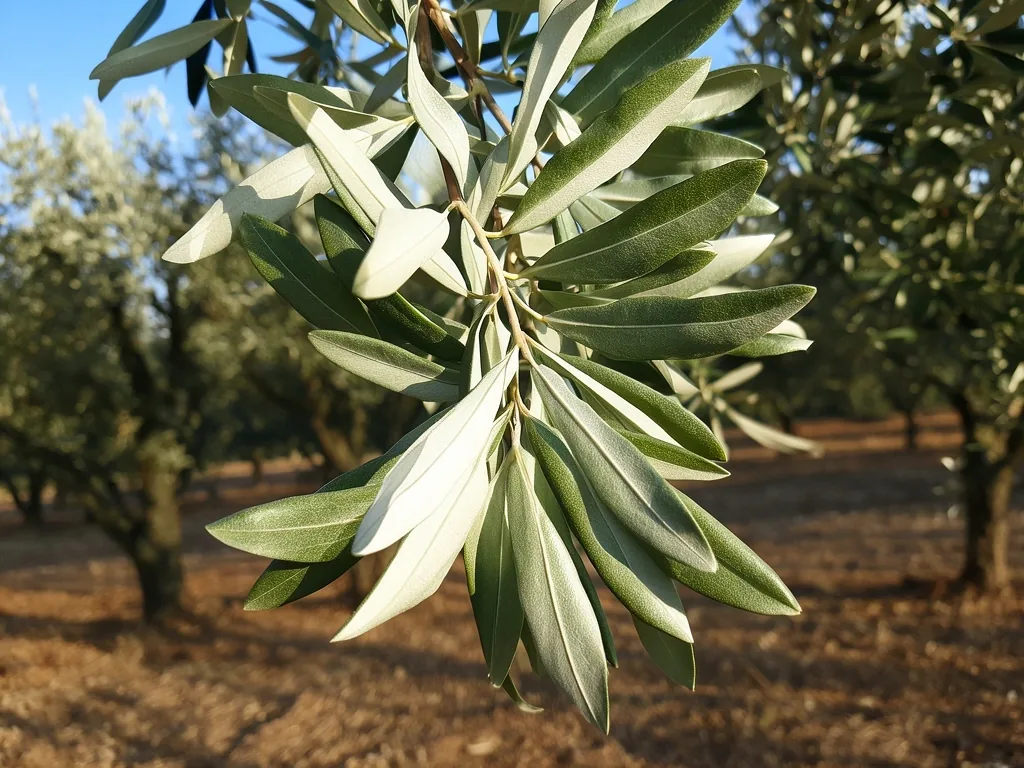
The Versatile Olive Leaf
While the oil is legendary, the leaves have their own place in Mediterranean lore. Traditionally brewed as bitter teas, they are associated with internal balance and resilience against the harsh elements of the Spanish landscape.
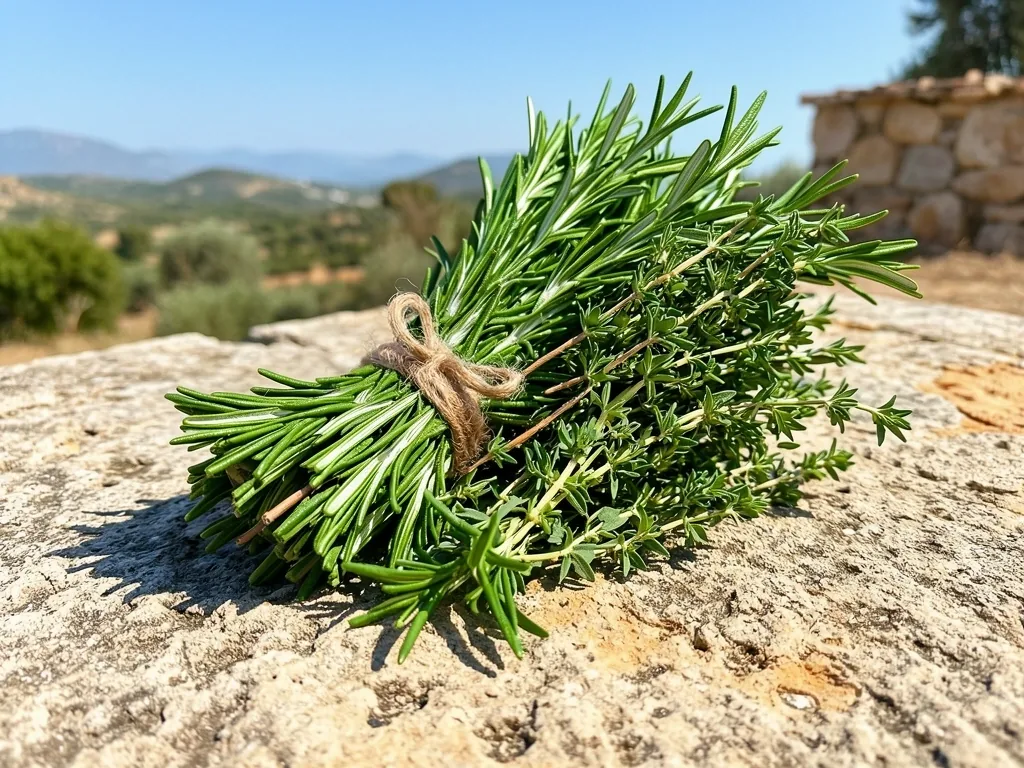
Wild Rosemary & Thyme
The scent of the Spanish "monte" is defined by these hardy shrubs. Historically used as potent aromatics, they were key in traditional tonic recipes meant to invigorate the senses during long days of outdoor labor.
Traditional Vitality Pillars
Historical Fuel for the Iberian Man
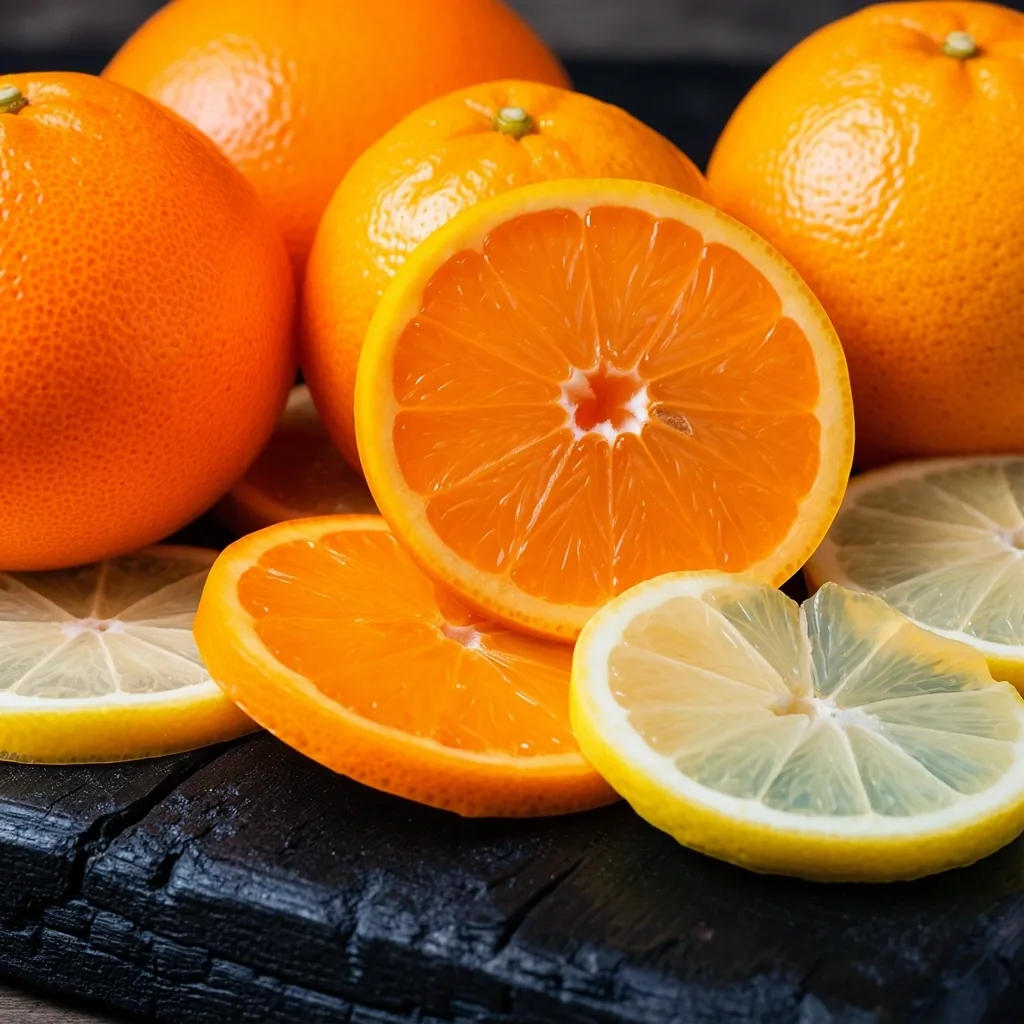
Citrus and Vitamin Traditions
Valencia is synonymous with oranges and lemons. These fruits were historically valued not just for their taste but for their ability to refresh and revitalize. Morning rituals often included citrus peels integrated into tonic waters to spark natural energy.
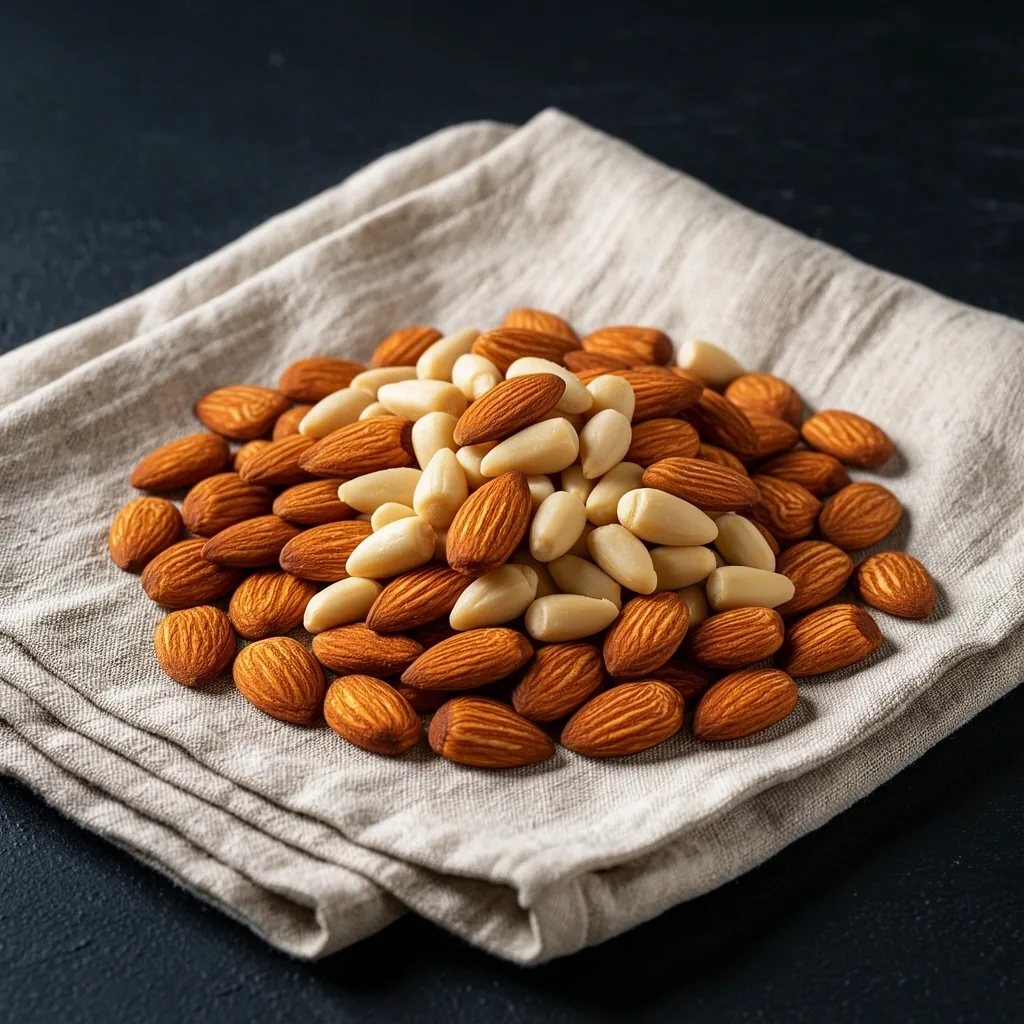
Almonds and Pine Nuts
High-energy snacks like almonds and pine nuts are pillars of the Mediterranean diet. Historically, these were the primary portable fuel for men working in the fields or traveling between regions, valued for their density and shelf-stability.
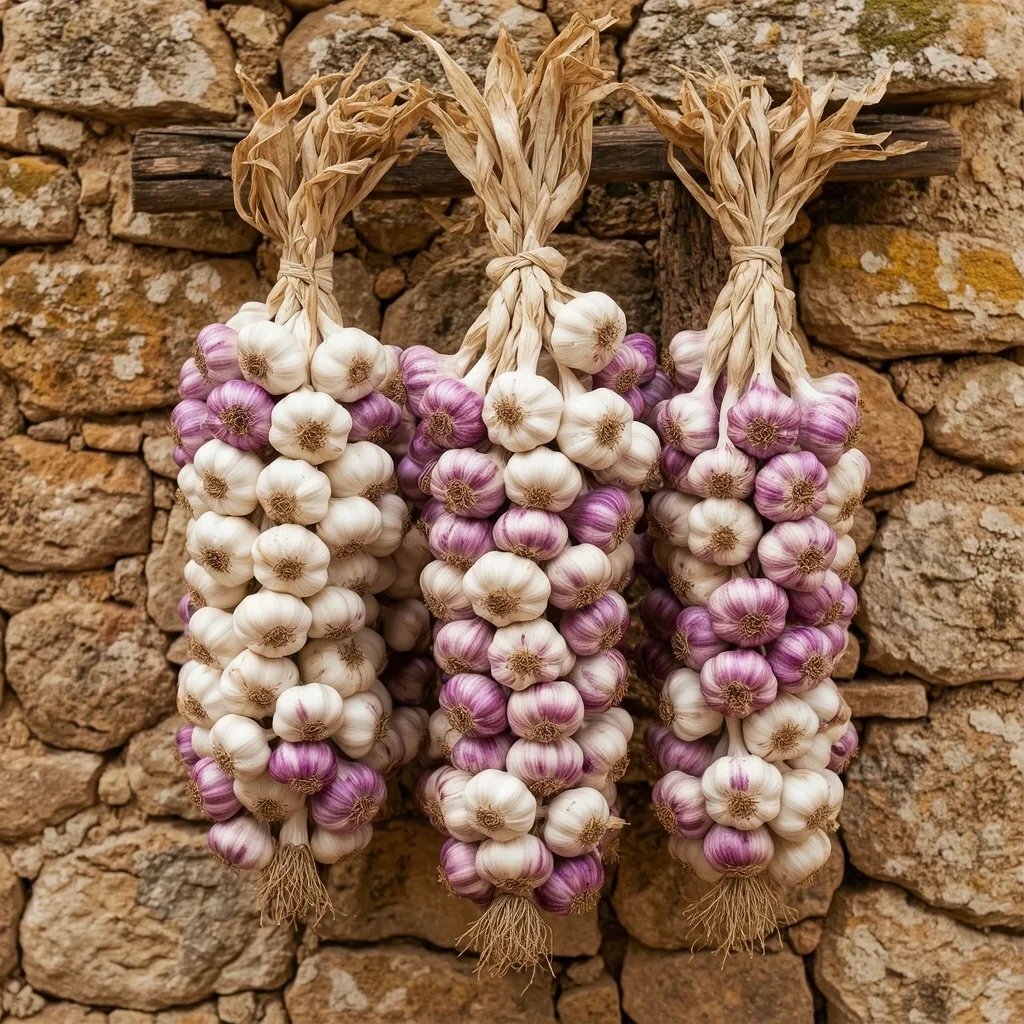
Garlic: The Traditional Guardian
Garlic is a central figure in Iberian folk methods. Often consumed raw or in "sopa de ajo," it was traditionally believed to support a strong constitution and ward off the sluggishness associated with changing seasons.
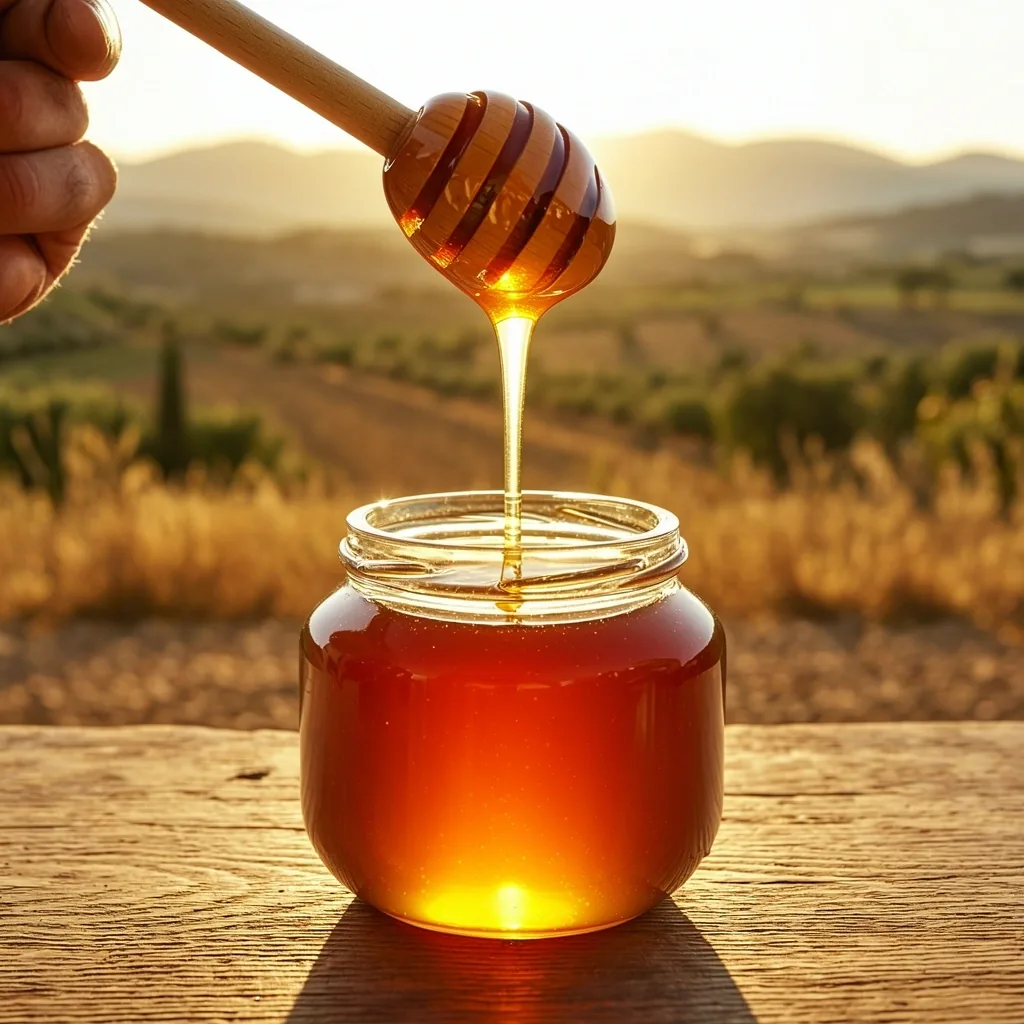
Honey and Bee Products
In rural Spain, beekeeping is an ancient art. Raw honey and pollen were traditionally used as natural energy boosters, particularly during the winter months when other fresh botanical resources were scarce.
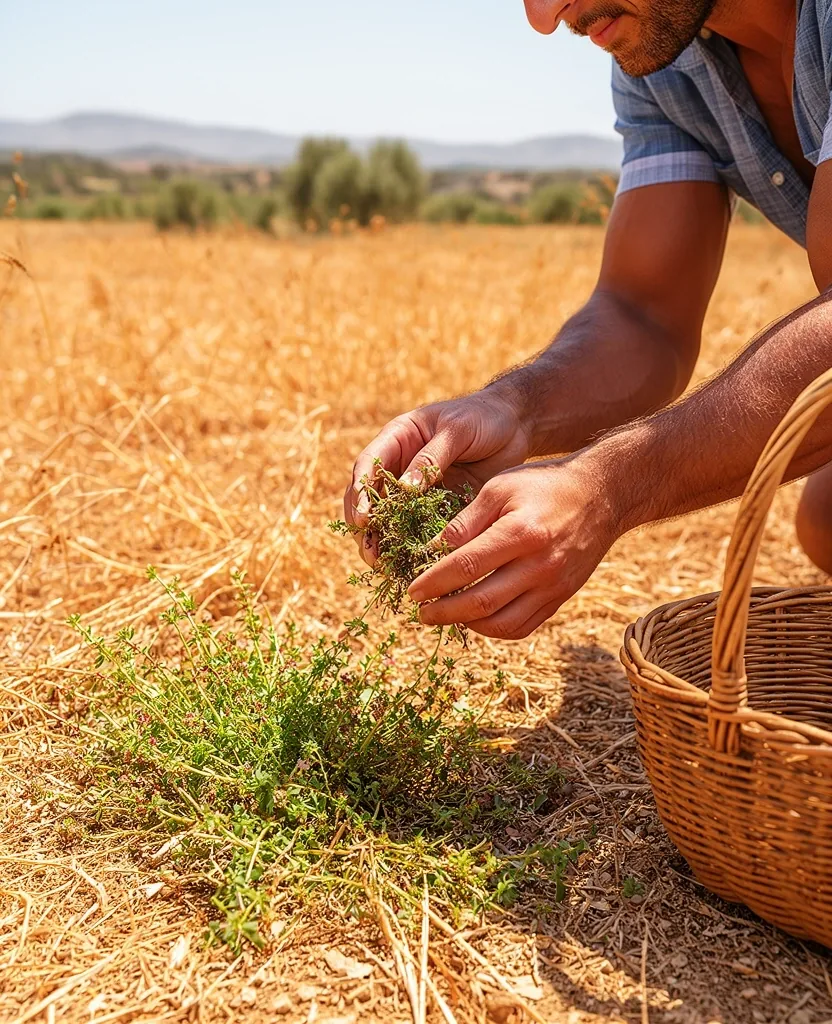
Sustainable Foraging Practices
Respect for the land is the foundation of our philosophy. Traditional foraging is not just about collection; it is a seasonal dialogue with the landscape of the Iberian Peninsula.
Knowing the exact timing for harvesting wild rosemary or the precise way to strip olive leaves ensures the tree's health for decades to come. This respect for nature is a core component of the Vigor Ibérico lifestyle—recognizing that true vitality comes from a landscape that is itself vibrant and protected.
We encourage all enthusiasts of botanical wellness to follow these ancient guidelines: take only what is needed, leave no trace, and always prioritize the longevity of the wild species over the convenience of the harvest.
Educational Intent
The information provided on botanical elements is strictly for cultural and historical education. We preserve folk knowledge as a lifestyle heritage, documenting how generations of men have used the gifts of the Iberian earth.
Regional Focus
From the saffron fields of La Mancha to the citrus groves of Valencia and the wild "monte" of the interior, our botanicals represent the diverse and powerful ecosystems of the Mediterranean.
Community Link
Many of these practices are still alive in rural Spanish communities. We work to ensure these traditions are not lost to the modern world, bridging ancestral wisdom with today's wellness lifestyle.