
Historical Folk Traditions
Tracing the cultural lineage of masculine vitality across the Iberian Peninsula.
Introduction
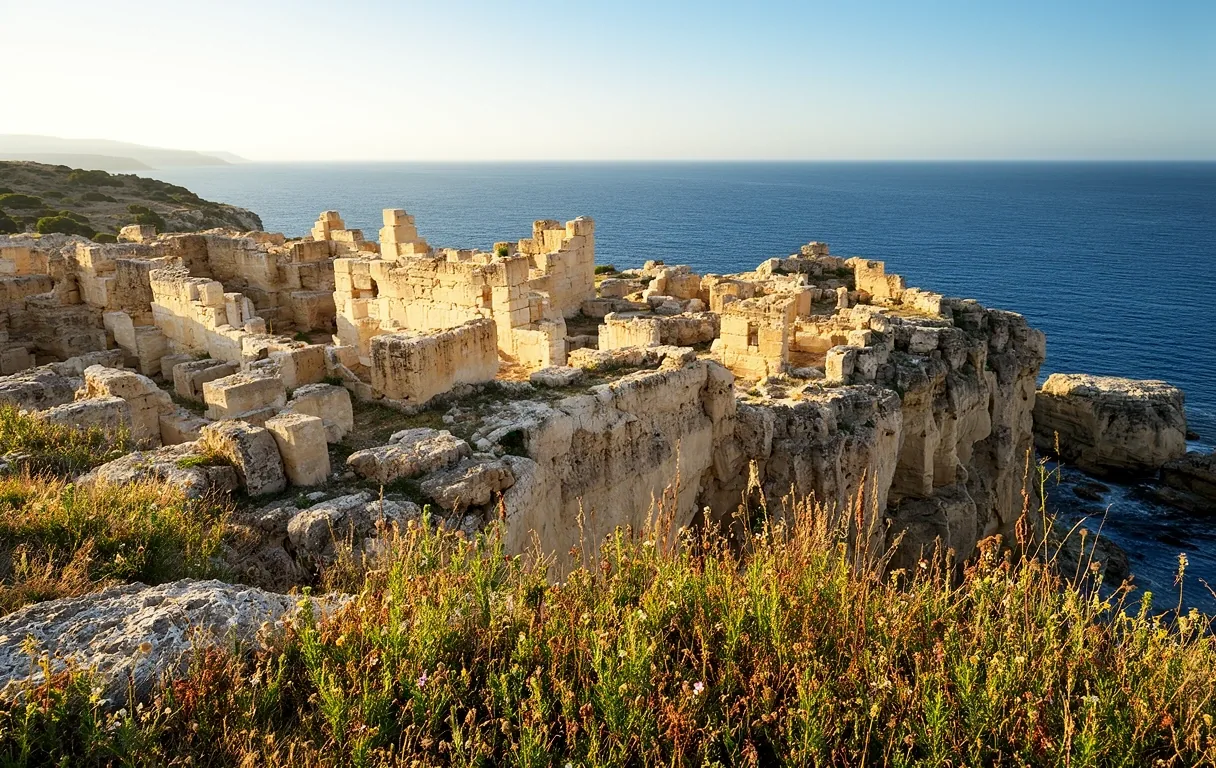
The Mediterranean region serves as a living museum of wellness practices that have sustained men for millennia. This section focuses on the cultural and historical context of these traditions, examining how the diverse influences of the Phoenicians, Romans, and Moors converged to create a unique Iberian perspective on vitality and natural energy.
The Convergence of Cultures
Spain's history is a tapestry of different civilizations, each bringing their own knowledge of botany, architecture, and lifestyle.
Physical Discipline
The Roman emphasis on physical rigor and structured routines laid the groundwork for endurance. Their bathhouses and public gymnasiums integrated communal wellness into the daily life of the Iberian man, fostering a culture of active presence.
Herbalism & Irrigation
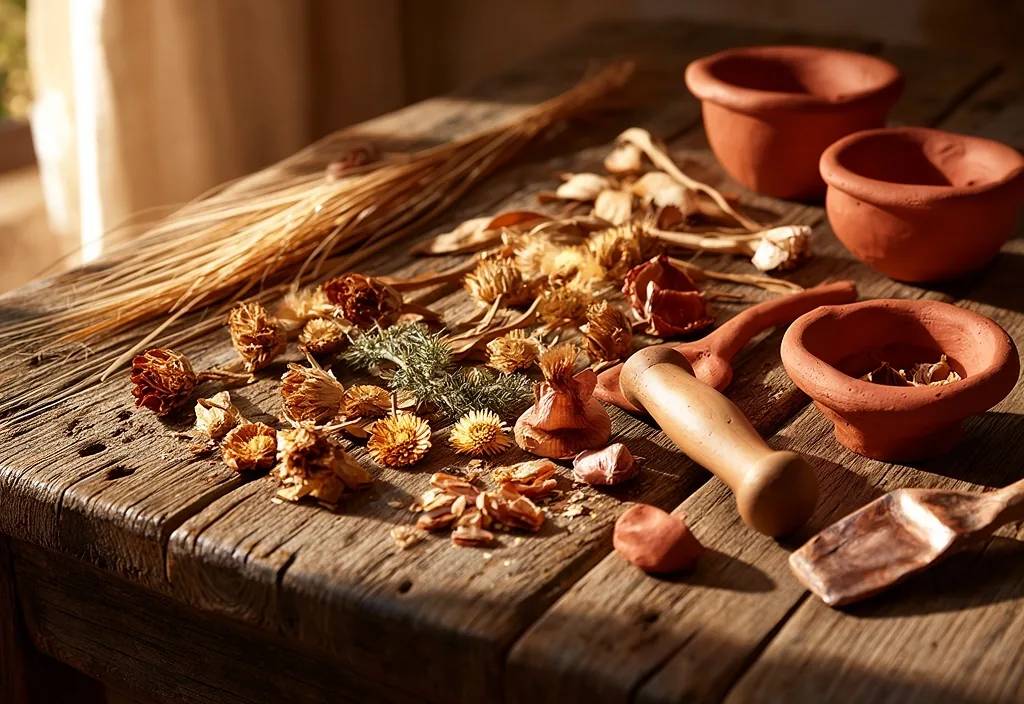
Moorish expertise in irrigation and sophisticated botanical knowledge introduced new plant species and distillation methods. This cross-pollination of ideas created the foundation for traditional Iberian folk wisdom that persists in rural villages today.
"The soil of the Peninsula holds the memory of a thousand harvests, each one refining the methods of the men who worked it."
Agricultural Rhythms & Men's Energy
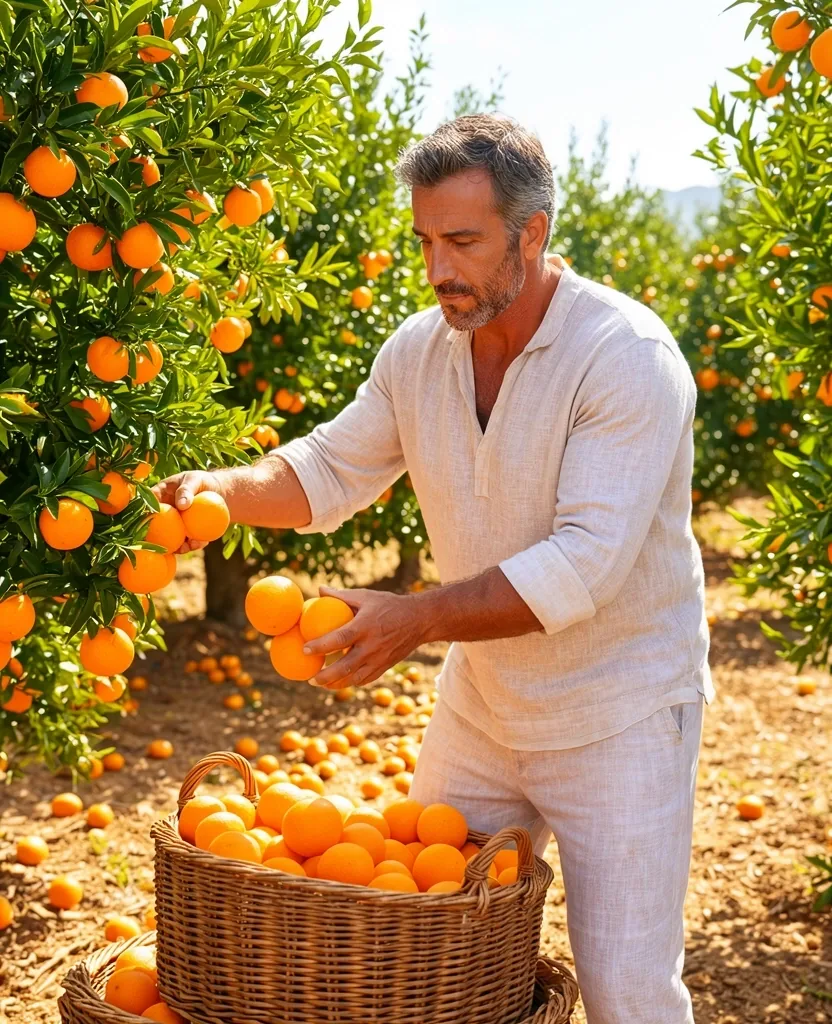
Whether it was the grueling olive harvest in the hills of Jaén or the meticulous care of orange groves in Valencia, the agricultural calendar was the primary driver of lifestyle. The folk methods used to sustain this energy are at the heart of our exploration of traditional vigor.
These weren't just jobs; they were endurance tests that defined the masculine experience. Recovery was integrated into the rhythm—from midday rests under the shade of cork trees to specific nutrient-dense meals prepared for the long days of labor.
The Spirit of "La Vida Tranquila"
Unlike the modern obsession with constant productivity, Mediterranean wisdom values the concept of "the quiet life." This is not an absence of work, but a deliberate focus on quality, presence, and the avoidance of unnecessary strain.
- Conscious deceleration during peak heat.
- Prioritization of communal social bonds.
- Strategic rest to preserve long-term vitality.
Coastal Traditions
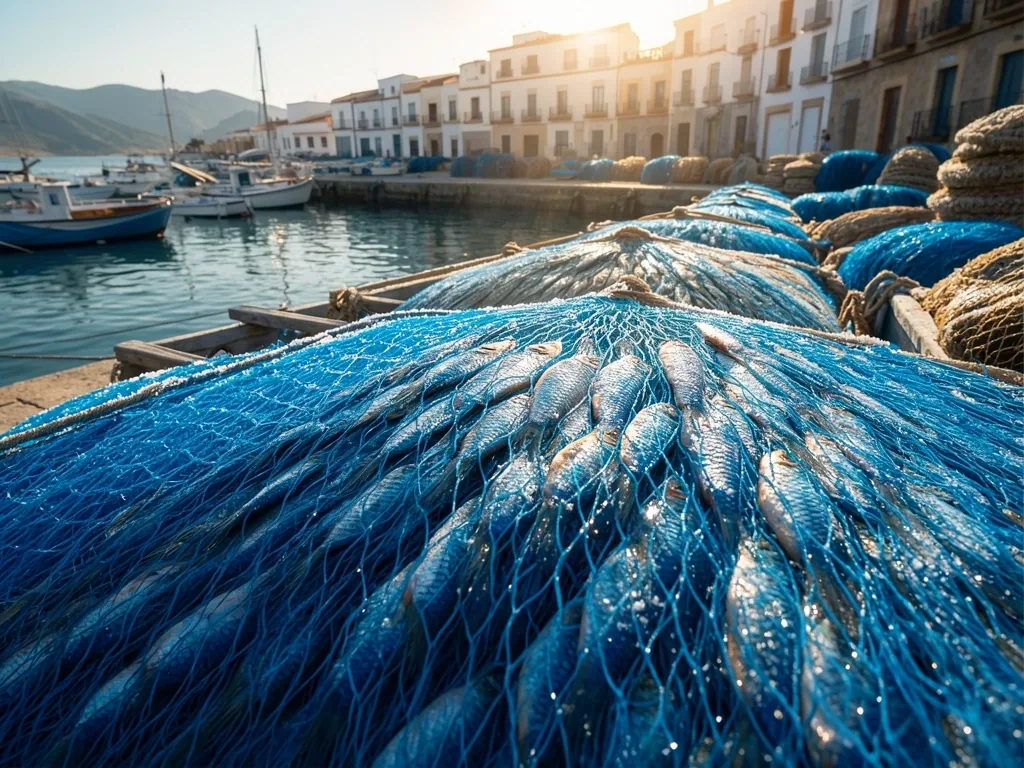
The habits of a fisherman on the Costa Blanca were defined by the sea's volatility. Their vitality was supported by fresh saline air and high-protein harvests from the deep water.
Inland Heritage
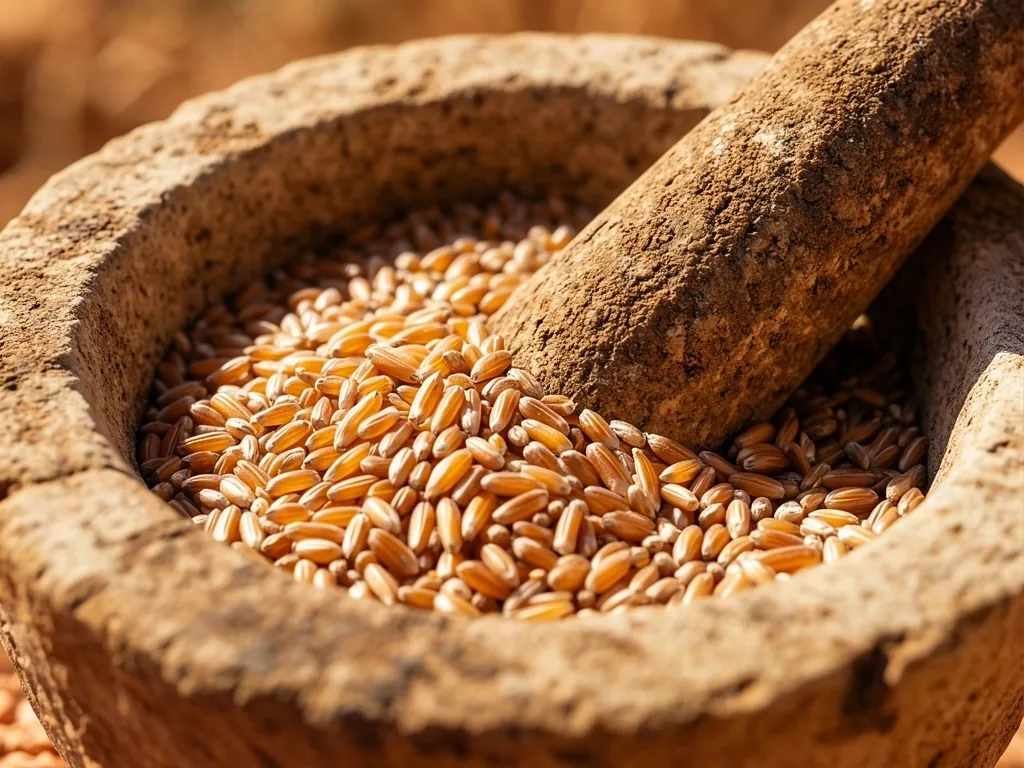
In the Pyrenees, shepherds faced extreme isolation and high-altitude physical challenges. Their energy came from durable grains and preserved roots that could withstand the winter.
Ancestral Rituals
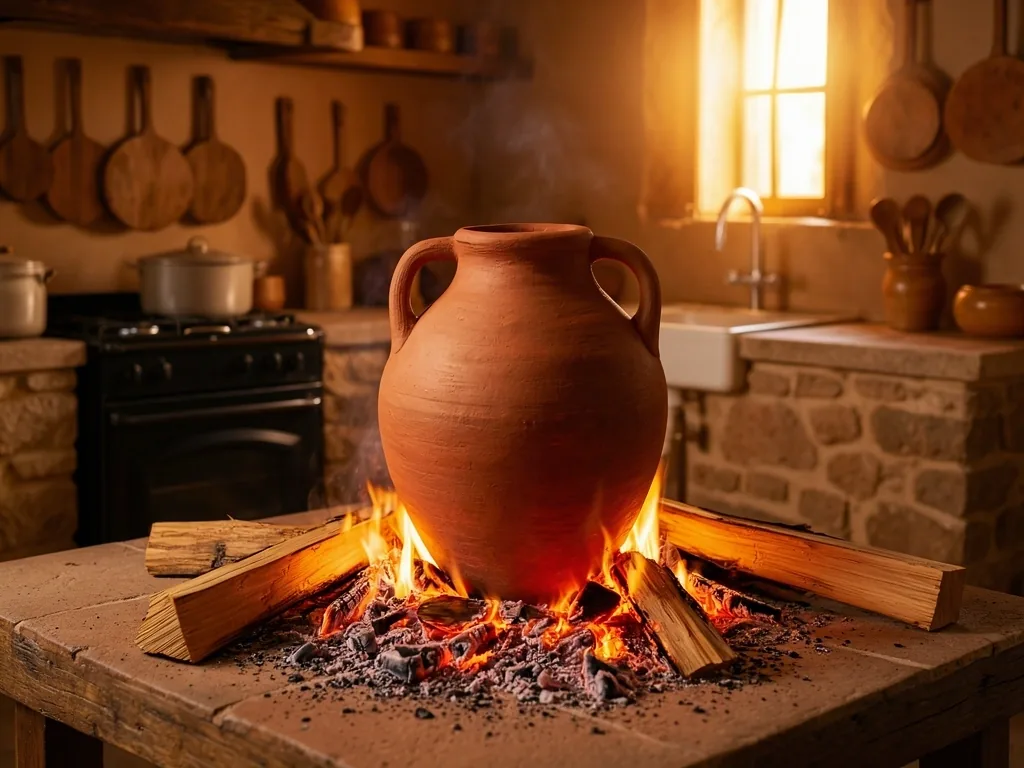
Across both terrains, the use of clay pots (ollas) and wood-fired cooking remains a ritualized approach to nutrition that preserves the raw essence of ingredients.
Mentorship and the Elder's Role
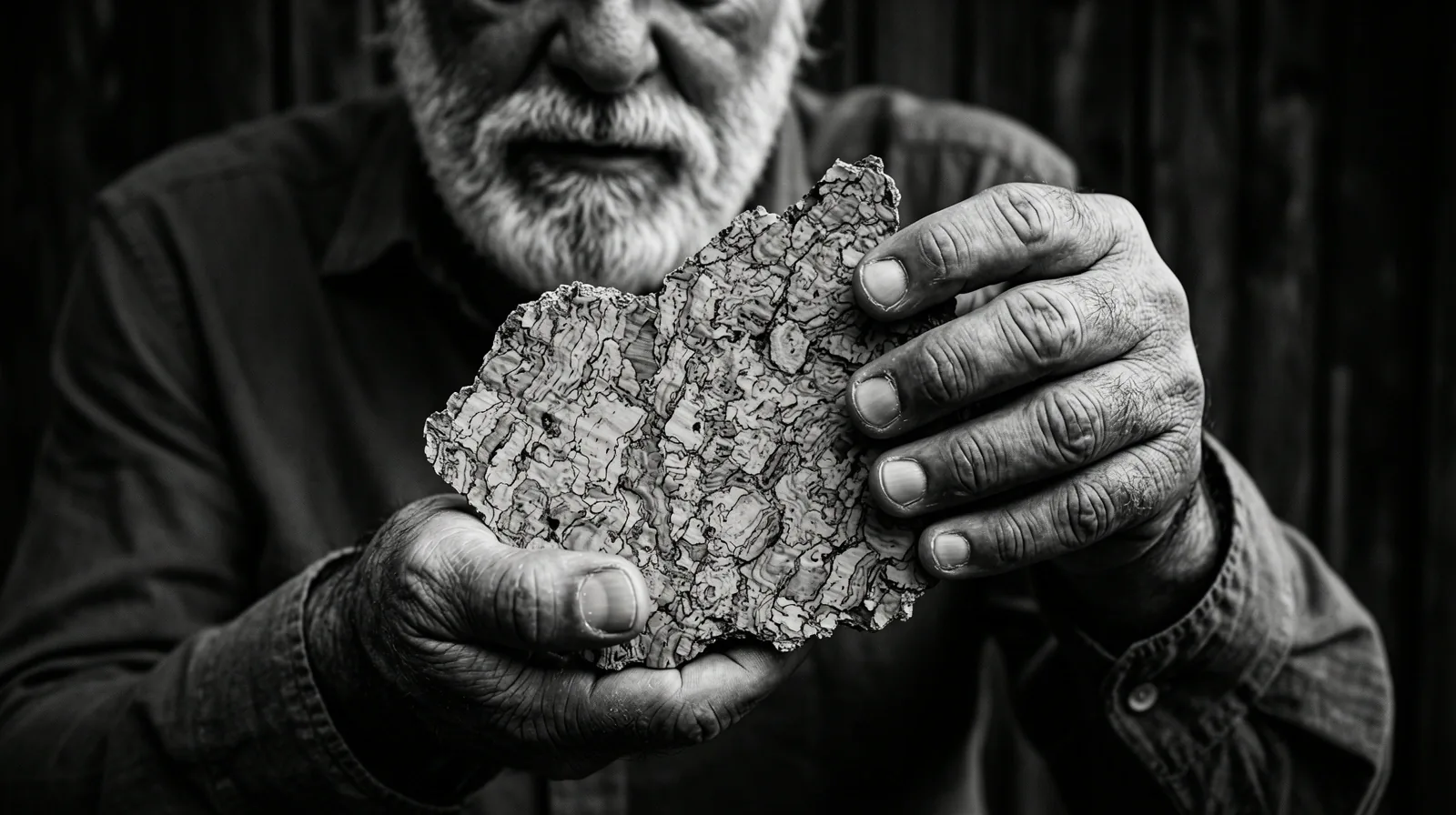
In traditional Mediterranean societies, wisdom was passed from grandfather to grandson. This oral tradition ensured that practical knowledge about nature, weather, and the body remained within the community.
The Oral Archive
We aim to replicate that transfer of knowledge through our educational content, preserving the survival of these practices against the pressures of the modern world. Every story we tell is a link in that chain.
Festivals & Expression
Regional festivals often involve displays of strength and endurance. These events are not just celebrations but serve as communal benchmarks for physical vigor and social cohesion among men.
The Enduring Spirit of the Peninsula
Despite the pressures of the 21st century, many small towns across Spain still adhere to these old ways. We document the survival of these practices and what they can teach us about maintaining a sense of self and vitality in an ever-changing world.